You want to move. The schools, the commute, the floor plan, the extra bedroom: some part of your life has outgrown your house. The only thing stopping you is a mortgage rate that starts with a 3, and the fear that trading it for a 7 is financial malpractice. Here is the actual math, with October 2026 numbers, so you can decide with a calculator instead of a vibe.
The short answer:
- About half of American mortgages, 49.9%, still carry a rate of 4% or lower (per Realtor.com's analysis of FHFA data, Q1 2026). If yours is one of them, your payment advantage is real, and it shrinks a little every year you wait.
- The 30-year fixed averaged 7.28% this week (Freddie Mac PMMS, week of October 1, 2026). On a $500,000 balance, the gap between a 3.5% rate and 7.28% is about $1,176 more per month on the same loan.
- Moving up locally costs real money too: our example Valley move-up below adds roughly $2,600 per month. The honest question is not "rate vs. no rate." It is whether the home you want is worth the difference to you, and what waiting does to that difference.
- Prices are nearly flat right now (C.A.R. put the California median at $901,420 in August, up just 0.1% year over year). Flat prices are the cleanest window to make this trade, because the dollar gap between your home and the next one is not running away from you.
- You can get a precise answer for your own address in about 15 minutes. The math at the end shows you how.
What the lock-in effect actually is
The mortgage rate lock-in effect is simple: owners with cheap mortgages avoid selling, because any new mortgage costs far more. With 49.9% of outstanding loans at 4% or below and market rates at 7.28%, the payment gap is the widest it has been in this cycle. It is why inventory, while improving (up 5.4% year over year in September per Realtor.com), is still tighter than a normal market. Your 3% rate is one of millions of cheap loans quietly keeping other sellers on the sideline.
Which cuts both ways. The same math keeping you locked in is keeping your future competition locked in too. We wrote about the strange result in The DOM Paradox: even with soft prices and rising inventory, well-priced Valley homes are still selling in about three weeks.
What your 3% rate actually saves you
Here is the payment on the same $500,000 balance at the two rates:
| 3.5% (your loan) | 7.28% (new loan today) |
|---|
Monthly principal and interest | $2,245 | $3,421 |
Difference | | +$1,176 per month |
That difference is the honest headline everyone quotes. Two things soften it. First, you do not keep the whole $2,245 by staying: in year 15 of a 3.5% loan, roughly 60% of your payment is still interest, money that goes to the bank either way. Second, the $1,176 gap applies to the balance you carry, not to the price of the home you buy next. Those are different numbers, and the second one is where the decision actually lives.
What it costs to move up in the Valley right now
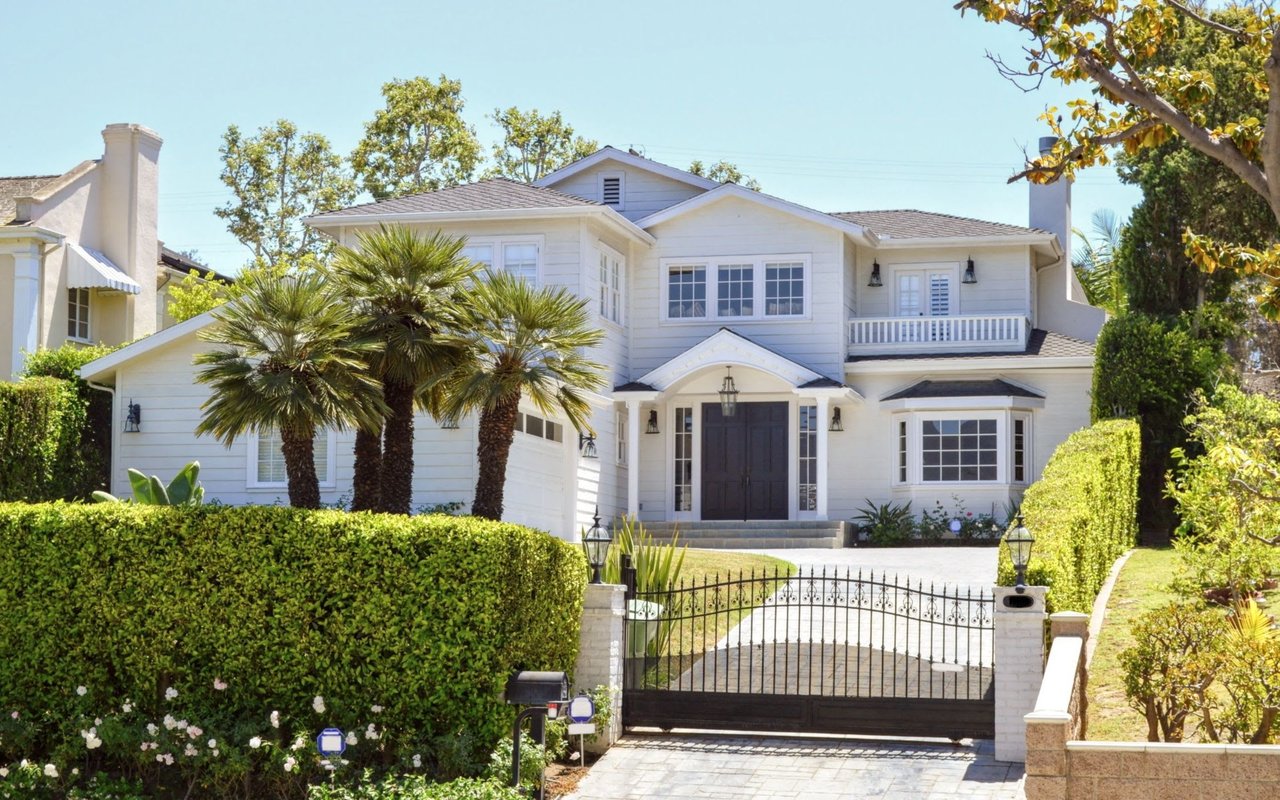
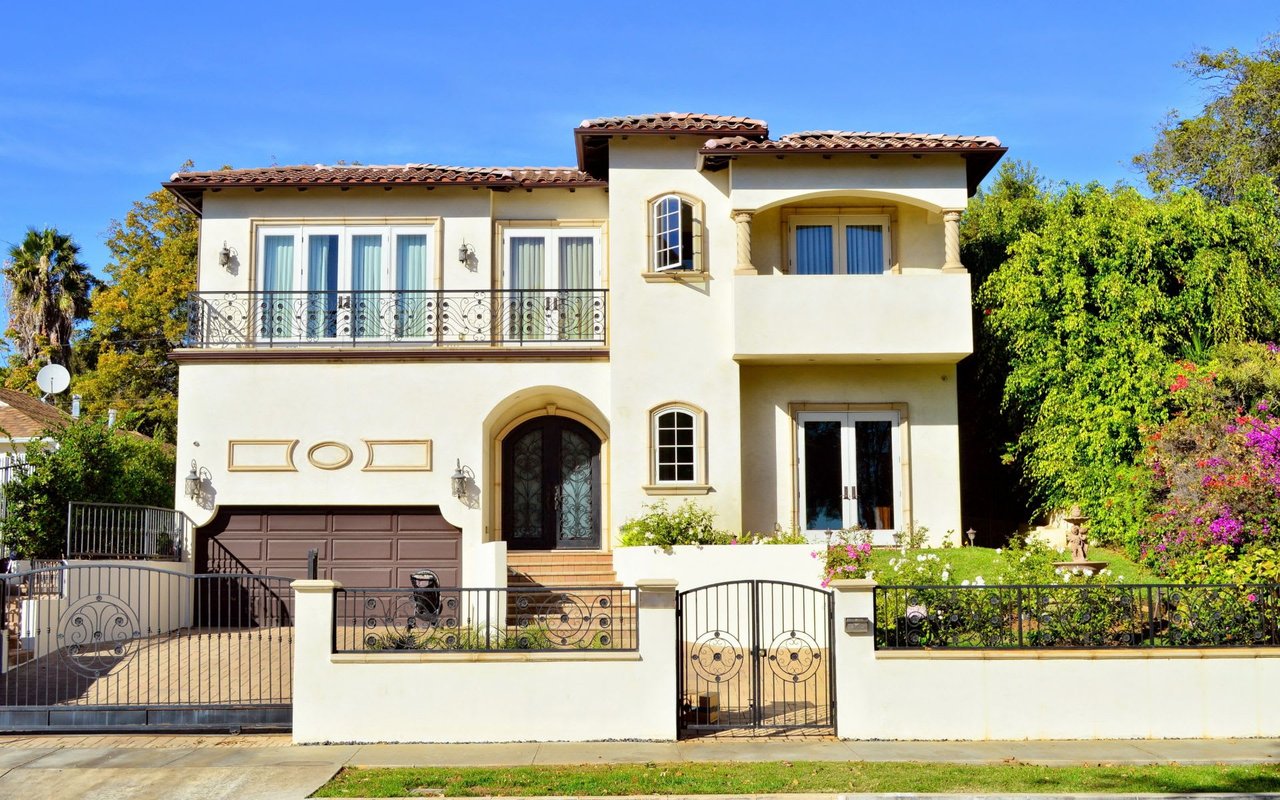
Take a common San Fernando Valley move-up: selling a Sherman Oaks single-family home near the $850,000 mark and buying the $1.0 million version in a pocket like Woodland Hills or Northridge, off the 101 or the 405 corridor you already drive.
- Your current loan: $500,000 balance at 3.5%, about $2,245 per month.
- New loan: $890,000 minus 20% down is a $712,000 loan. At 7.28%, that is about $4,858 per month.
- Gross payment difference: about $2,613 per month more.
Now the other side of the ledger. Selling the $850,000 home returns roughly $300,000 in equity after commissions and typical selling costs, which funds that 20% down payment plus closing costs with room to spare. And since buyers currently hold real leverage (20.8% of active listings took a price cut in September, the most since 2018, per Realtor.com, and not every cut is a red flag), the offer you write on the move-up home is the strongest it has been in years. These figures are an illustrative example on typical Valley price bands, not a quote; your loan terms, taxes, and fees will differ.
What waiting actually costs
Waiting is not free. It just bills you in ways that are harder to see.
Interest you keep paying. Staying put still costs interest. On that $500,000 balance at 3.5%, you would pay about $83,000 in interest over the next five years, and the balance would only drop by about $51,000. Cheap money is still money.
The spread grows when prices grow. The dollar gap between your $850,000 home and the $1.0 million one is $150,000 today. If Valley prices resume even modest 3% annual growth, that gap becomes about $164,000 within three years, and your down payment grows with it. Flat prices (the 0.1% annual gain C.A.R. reported for August) are what make the math cleanest right now.
The rate cut you are waiting for has two sides. If rates fall, the buyers who waited with you come back, competition returns, and the move-up home's price firms up. You would be trading today's leverage and today's flat prices for a lower rate on a more expensive, more contested house. Nobody can tell you the net of that in advance. What you control is the decision you make with today's numbers.
None of this is a promise about where prices or rates go next. It is the opposite: it is why waiting has a cost at all.
When staying is genuinely the right call
If you love the house, the street, and the commute, staying is not a failure, and no blog post should talk you out of a home that fits your life. The lock-in effect is a nudge, not a jail sentence. The math above is for the other reader: the one who already wants to move and cannot get past the rate. If that is you, price the move the way you would price anything else.
The three numbers to run before you decide
- Your payoff and your equity. What you actually clear from a sale, after commission, closing costs, and payoff. A home valuation plus a net sheet answers this precisely.
- The real payment on the next home. Not the Zestimate fantasy: the payment on the actual price band and loan type you would use, at today's rates.
- The cost of waiting. Twelve months of interest on your current balance, plus what a 3% price year does to the gap between your home and the one you want.
FAQ
Should I sell my house with a 3% mortgage? If the house no longer fits your life, yes, it can still make sense. Your rate is a payment advantage, not a guarantee that staying is cheaper: the move decision is really about the gap between your current payment and the payment on the home you want, funded by the equity you already have. Run the three numbers above before you decide.
Should I sell first or buy first? In a market with rising inventory and frequent price cuts, selling first removes the risk of carrying two payments and lets you shop with a known budget. If you find the next home before selling, bridge options exist, but they deserve their own math session.
Will mortgage rates drop in 2027? No one knows, and anyone who promises a number is guessing. The useful reframe: a lower rate on a future purchase usually arrives with higher prices and more competition. Decide with the numbers in front of you, not the forecast you are hoping for.
Should I rent my home out instead of selling? Sometimes. Run it as a business: expected rent versus mortgage, insurance, taxes, maintenance, and property management, then decide whether being a landlord in California fits your life. Do not assume rent covers it.
What is the mortgage rate lock-in effect? It is the drop in home sales caused by owners keeping low-rate mortgages instead of selling into a higher-rate market. With about half of American mortgages at 4% or below, it is the main reason inventory is still limited.
The 15-minute version of this math
Text Chris Wulff or request a free home valuation at wulffrealtygroup.revelrealestate.com/home-value and we will run your payoff, your real equity, and the true payment on the home you actually want, on your numbers, not an example. Prefer to browse first? See what move-up homes cost in your target neighborhoods or search current listings.
Sources: Freddie Mac Primary Mortgage Market Survey (week of October 1, 2026); Realtor.com September 2026 Monthly Housing Trends and Realtor.com analysis of FHFA data (Q1 2026); California Association of Realtors, August 2026 sales and price report.
Chris Wulff, Wulff Realty Group | REVEL Real Estate | DRE #02026426 | @wulffestates. Equal Housing Opportunity. This article is educational and is not a commitment to lend or financial advice.